


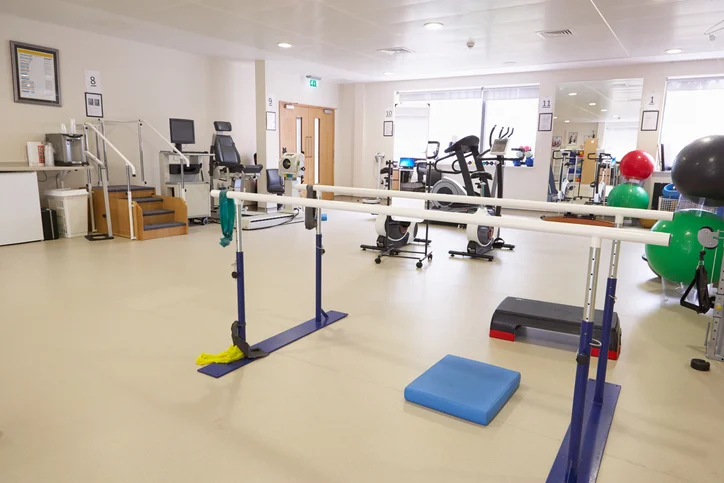
Opening a physical therapy clinic involves many decisions, but none are more critical than choosing the right equipment at the right time. One of the most common mistakes new clinics make is purchasing advanced machines too early, which leads to unnecessary costs, wasted space, and underused equipment.
A successful clinic setup is built in phases. By following a priority-based physical therapy clinic equipment checklist, clinics in Lebanon can start strong, control their budget, and expand intelligently as patient demand grows.
This guide explains exactly how to prioritize physical therapy clinic equipment, based on real clinical usage, workflow needs, and long-term scalability.
Why Equipment Prioritization Matters When Opening a Physical Therapy Clinic
Not all physical therapy equipment is needed on day one. Early patient cases typically involve:
- Musculoskeletal pain
- Post-injury rehabilitation
- Basic mobility and strengthening
- Pain management modalities
That’s why a smart physical therapy clinic setup in Lebanon focuses first on high-usage essentials, then adds advanced technologies only when they make clinical and financial sense.
Prioritization helps clinics:
- Avoid over-investing early
- Use space efficiently
- Match equipment to real patient needs
- Scale services sustainably
PRIORITY 1 – Essential / Day-One Physical Therapy Clinic Equipment
These are the items required to start treating patients immediately. Every professional physical therapy clinic should begin here.
Therapeutic Modalities (Core Treatments)
Electrotherapy and ultrasound form the backbone of early-stage treatment in most clinics.
Priority 1 modalities include:
- Portable EMS unit or basic electrotherapy unit
- Ultrasound therapy unit
These modalities support pain management, muscle stimulation, and tissue healing and are used daily in general practice.
Basic Modalities & Daily-Use Tools
These tools are used across multiple patient types and treatment plans:
- Ice packs (various sizes)
- Heating pads
- Infrared lamps
- Massage oils
- Massage gun
- Basic assistive devices
Basic cryotherapy and heat therapy are essential from day one and should never be overlooked.
Therapeutic Furniture & Patient Positioning
Treatment quality depends heavily on proper positioning and therapist ergonomics.
Day-one essentials include:
- Treatment tables
- Trolley with drawers
- Swivel stool
- Step stools
- Pillows, towels, and positioning supports
- Mirror for visual feedback
These items are used continuously throughout the day and should be prioritized for quality and durability.
Core Rehabilitation Structures
Functional rehabilitation requires more than machines.
Essential rehab structures include:
- Parallel bars
- Wall ladder (espalier)
- Finger ladder
- Adjustable weight pulleys
These tools support gait training, balance rehabilitation, range-of-motion exercises, and early strengthening programs.
Fitness & Exercise Equipment (Starter Level)
To support active rehabilitation, clinics should start with:
- Dumbbells
- Ankle weights
- Foam rollers
- Gym balls
- BOSU balls
- Balance boards
- Resistance bands (tube, tall, pull-up)
- Rehabilitation mats
These tools are affordable, versatile, and used in nearly every treatment plan.
Basic Assessment Tools
Assessment is a core part of physical therapy practice.
Essential assessment tools include:
- Goniometer
- Measuring tape
- Reflex hammer
- Grip dynamometer
- Neurological testing instruments
- Blood pressure monitor
- Oximeter
- Stethoscope
- Thermometer
PRIORITY 2 – Add After the Clinic Is Stable
Once patient flow increases and treatment demand becomes clearer, clinics can expand their equipment portfolio.
Advanced Therapeutic Modalities
These modalities are highly effective but not required on day one:
- TECAR therapy machine
- Shockwave therapy machine
- Traction machine (cervical & lumbar) with table and accessories
- Lymphatic drainage / presso therapy machine
These devices are best added once clinics treat more chronic, sports-related, or post-operative cases.
Advanced Therapeutic Furniture
As clinics grow, additional furniture improves workflow:
- Bobath table
- Training stairs
- Pulley cage
- Privacy screens or dividers
These items support neurological rehabilitation, functional training, and multi-patient treatment environments.
Expanded Fitness & Strength Equipment
To support more advanced rehabilitation programs:
- Kettlebells
- Medicine balls
- X-Factor trainer
- Treadmill
- Stationary bike
- Leg extension machine
- Bench press
These tools are especially useful in sports rehabilitation and conditioning-focused clinics.
PRIORITY 3 – Specialization-Based / Advanced Equipment
This category is not required for all clinics and should only be added when services demand it.
Advanced & Specialized Modalities
- EMG biofeedback system
- Cryotherapy compression system (cold + compression)
- Magneto therapy machine
- Acupuncture stimulator
These technologies are commonly used in:
- Neurological rehabilitation
- Sports performance
- Post-operative recovery
- Specialized pain management programs
Specialty Fitness & Performance Equipment
- Fabric resistance bands
- Plyometric station
These are ideal for high-performance rehab or athletic populations but not necessary for general clinics.
How to Use This Physical Therapy Clinic Equipment Checklist
This checklist is designed to help you:
- Decide what to buy first
- Plan future upgrades
- Avoid unnecessary purchases
- Align equipment with patient demand
Using a structured checklist ensures smarter investments and smoother clinic growth.
Common Mistakes Clinics Make When Buying Equipment
- Purchasing advanced machines before building patient volume
- Ignoring essential rehab structures like parallel bars and ladders
- Buying equipment without warranty or service support
- Choosing equipment based on promotions instead of clinical needs
Building a Scalable Physical Therapy Clinic Setup in Lebanon
The most successful clinics:
- Start with essential physical therapy clinic equipment
- Expand based on real usage data
- Upgrade gradually, not emotionally
- Partner with reliable medical suppliers in Lebanon
A phased approach ensures long-term sustainability and better patient outcomes.
Conclusion
A well-planned physical therapy clinic equipment checklist is the foundation of a successful clinic. By understanding what to buy first, what can wait, and what depends on specialization, clinics in Lebanon can build professional, efficient, and future-proof rehabilitation spaces.
Smart prioritization leads to better care, stronger operations, and sustainable growth.