Pediatric Wall Ladder 150cm
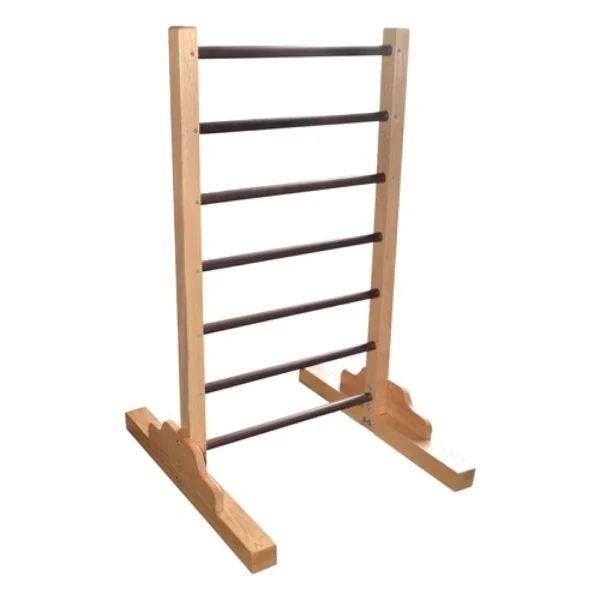
The pediatric wall ladder is a fundamental physiotherapy tool used for rehabilitation, stretching, and motor skill development in children. Designed with a stable wooden frame and evenly spaced rungs, it allows safe and controlled physical activity in both clinical and home environments.
This equipment supports a wide range of exercises including posture correction, coordination training, and strength development. Its compact 150cm height makes it ideal for pediatric use while maintaining professional-grade durability.
Key Features & Benefits
- Designed specifically for pediatric physiotherapy use
- Improves coordination, balance, and mobility
- Supports stretching and strengthening exercises
- Strong wooden construction for long-term durability
- Smooth, rounded bars for safe grip
- Stable base design for secure use
Technical Specifications
- Type: Pediatric wall ladder / stall bars
- Height: 150 cm
- Material: Solid wood frame with wooden rungs
- Structure: Free-standing with stable base
- Finish: Smooth, child-safe surface
- Usage: Indoor physiotherapy and rehabilitation
Why Choose This Pediatric Wall Ladder
Most low-quality ladders are unstable or poorly finished. This unit is built for real clinical use—stable, safe, and durable. It allows therapists and parents to perform structured exercises with confidence.
Who Should Use It
- Physiotherapy clinics
- Pediatric rehabilitation centers
- Schools and special education facilities
- Home therapy setups for children
- Occupational therapists
FAQs
What is a pediatric wall ladder used for?
It is used for physiotherapy exercises to improve strength, coordination, and flexibility in children.
Is it safe for children?
Yes, it features smooth edges and a stable structure designed for pediatric use.
Can it be used at home?
Yes, it is suitable for home therapy under supervision.
Is it wall-mounted or free-standing?
This model is free-standing with a stable base.
What age group is it suitable for?
Primarily designed for children, depending on height and therapy needs.