


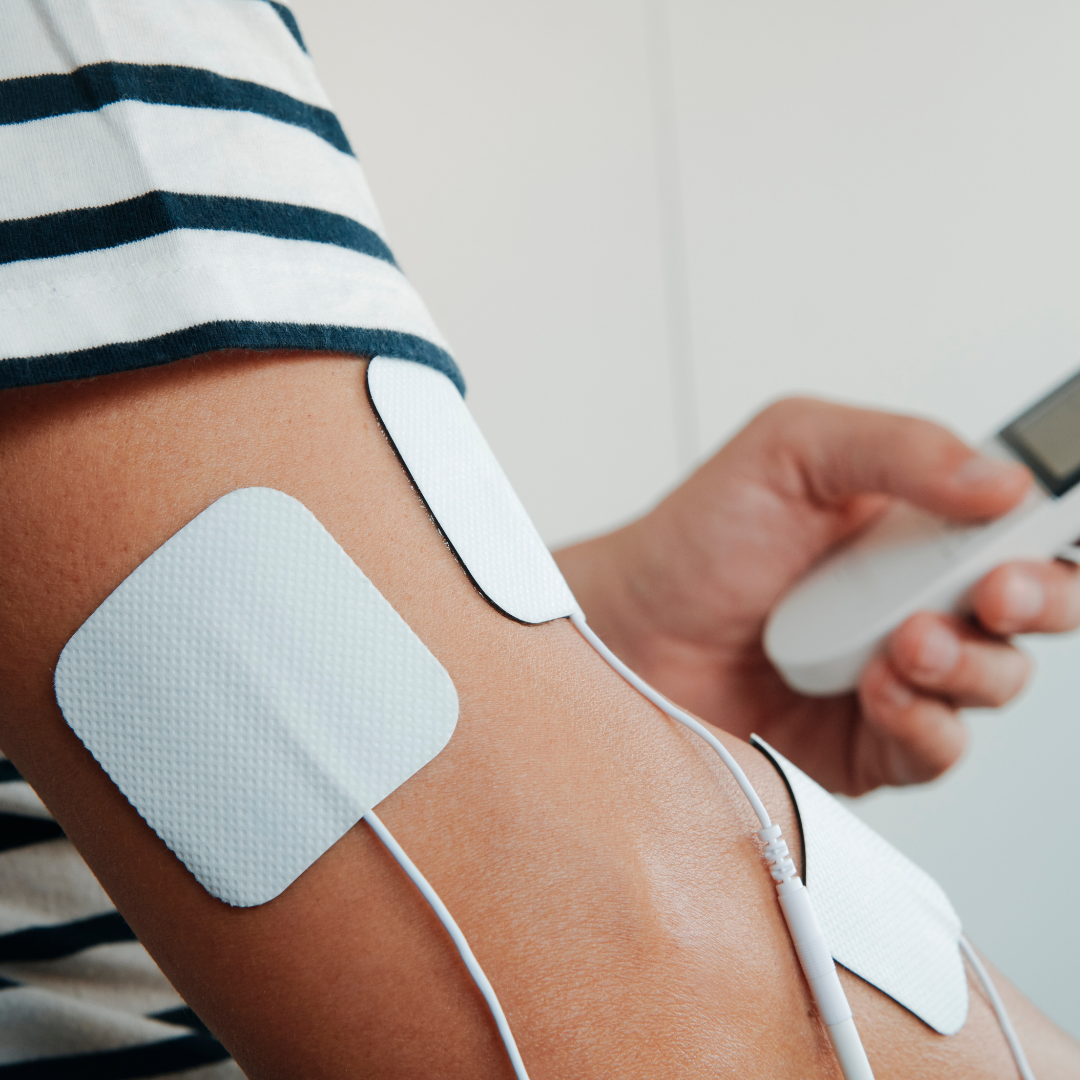
Electrotherapy is one of the most widely studied modalities in rehabilitation science. Rather than being an isolated “gadget,” electrotherapy is grounded in well-documented physiological mechanisms and supported by clinical evidence for pain modulation, muscle activation, and neuromuscular recovery.
In evidence-based practice, electrotherapy is not a standalone cure — it is best used in combination with therapeutic exercise, manual therapy, and functional training. This blog explores the science behind electrotherapy, how it works at the neurological and cellular levels, and the types of electrical stimulation commonly used in physical therapy, including findings from clinical studies.
For an accessible overview of electrotherapy mechanisms supported by research, see the clinical summary on electrotherapy modalities. (External link included for depth.)
🔗 Learn more: Electrotherapy – Key Concepts and Evidence Base — electrotherapy.org (authoritative overview) Electrotherapy: Key Concepts and Evidence Base
The Science of Electrotherapy: How It Works
Electrotherapy works by applying controlled electrical currents to biological tissues, which interact with the body’s own electrical and neurophysiological systems.
Neural Modulation and Pain Control
Electrotherapy influences pain perception through mechanisms such as:
- Gate control theory: Stimulating large-diameter sensory fibers (A-beta) reduces transmission of pain signals through the spinal cord.
- Endogenous modulation: Electrical stimulation can activate descending inhibitory pathways in the brainstem that release natural analgesic chemicals.
Clinical data suggest that pain intensity is significantly reduced during and immediately after high-quality TENS application compared with placebo stimulation, without serious adverse effects. Moderate-certainty evidence from randomized controlled trials supports pain reduction outcomes in various pain conditions with TENS. BMJ Open
Muscle Activation and Neuromuscular Re-Education
Electrical stimulation directly depolarizes motor neurons, creating muscle contractions even when voluntary activation is compromised. This is especially valuable when neural pathways are disrupted (e.g., after injury or neurological insult).
Studies show that neuromuscular electrical stimulation (NMES) can improve muscle strength, physical function, and even walking performance when used consistently over weeks, particularly in older or untrained individuals. Frontiers
Cellular and Tissue Healing Effects
At very low currents, electrotherapy influences cellular processes such as membrane permeability and ATP production, potentially facilitating tissue repair and reducing inflammation. This mechanism is especially relevant in microcurrent therapy, which uses microampere-level currents to mimic the body’s natural electrical signaling. Physiopedia
Evidence-Based Benefits of Electrotherapy
Pain Relief
Electrotherapy modalities like TENS have been studied extensively. One large meta-analysis of nearly 100 randomized controlled trials found that TENS significantly reduces pain intensity compared with placebo and has no serious side effects, making it a viable non-pharmacological pain management tool. BMJ Open
Clinical experience and systematic reviews indicate that electrotherapy is especially useful for:
- Postoperative pain
- Osteoarthritis pain
- Chronic neuropathic pain
- Muscle spasm reduction
Muscle Strength and Function
Research supports that NMES improves muscle activation and function. By artificially stimulating motor units, chronic weakness due to disuse or neurological impairment can be addressed, especially when combined with voluntary exercise. Frontiers
Neurological Rehabilitation and Stroke Recovery
Electrical stimulation used in stroke rehabilitation has shown promising results for upper limb recovery and functional improvement when paired with task-specific training. Electrotherapy aids in activating weakened neural pathways and can improve movement in paretic muscles. Physiopedia
Emerging evidence also suggests that techniques combining dry needling with electrical stimulation may enhance motor control and analgesia in neurological and musculoskeletal conditions. PMC
Types of Electrotherapy in Physical Therapy
Below is a comparative scientific table showing key modalities, their physiological targets, and clinical evidence.
Table: Electrotherapy Modalities – Mechanisms & Evidence
| Modality | Physiological Target | Mechanism | Evidence Highlights |
|---|---|---|---|
| TENS | Sensory nerve fibers | Pain signal modulation via spinal gating & central inhibition | Moderate-certainty reduction in pain intensity compared with placebo across many RCTs BMJ Open |
| NMES / EMS | Motor neurons & muscle fibers | Motor unit recruitment for strength & neuromuscular control | Improvements in muscle function with repeated use Frontiers |
| IFC (Interferential Therapy) | Deep tissue neural & muscular | Medium-frequency currents for deep pain and circulation | Used widely though evidence varies; part of broader electrotherapy evidence base NCBI |
| Russian Stimulation | Fast-twitch muscle fibers | High-frequency stimulation for strength gains | Smaller body of evidence but used in advanced strengthening phases |
| Microcurrent Therapy | Cellular membranes & ATP processes | Low-intensity currents enhancing healing | Biophysiological rationale; clinical results less extensive Physiopedia |
| Electro-DN (Dry Needling + E-Stim) | Muscle trigger points, motor units | Electrical currents via needles for enhanced activation | Early evidence supports pain and functional improvements PMC |
Clinical Considerations and Safe Use
Electrotherapy devices cleared for clinical use are regulated as medical devices and are typically considered safe when used within professional guidelines and according to manufacturer instructions.
However:
- Electrotherapy is most effective as part of a multimodal plan, not in isolation. Electrotherapy On Th
- Research often shows the greatest benefit when electrical stimulation is combined with exercise and manual therapy. BMJ Open
Electrotherapy in Practice: Clinics vs Home Use
Portable electrotherapy units offer flexibility and ease of use for home care and early rehabilitation phases. Clinical units, with multiple channels and adjustable parameters, are used in professional settings for higher volume and advanced protocols.
Clinical decision-making should consider:
- Patient goals
- Neuromuscular status
- Pain profile
- Functional demands
Conclusion: A Scientific Perspective
Electrotherapy stands as a research-supported, clinically integrated modality in physical therapy. While the level of evidence varies by condition and modality, high-quality studies demonstrate meaningful benefits in pain modulation, muscle activation, and neuromuscular recovery.
For healthcare professionals, choosing the right type of electrical stimulation — whether TENS for pain or NMES for muscle function — should be based on clear clinical reasoning and evidence. This scientific approach ensures that electrotherapy contributes effectively to comprehensive rehabilitation and improved outcomes.